No user accounts required for your recipients -
Start your 7-day free trial now!

What education providers and training companies need to know about the EU Digital Identity Wallet rollout, from legal deadlines to day-to-day impact on credentialing.


The European Union is building a unified digital identity infrastructure. Every Member State must offer citizens an EU Digital Identity Wallet (EUDI Wallet) that can store government-issued IDs, diplomas, professional licenses, and other credentials in a single, privacy-respecting app.
For education providers and training companies, this is a significant shift. The wallet is not just about passports or bank logins. It is designed to hold verifiable credentials of all kinds, including course certificates, micro-credentials, and professional badges. Once the infrastructure is live, learners will expect their credentials to work inside this ecosystem: portable, machine-readable, and instantly verifiable by any employer or institution across Europe.
The regulation entered into force on May 20, 2024. The first implementing acts were published in December 2024, which started the clock on two critical deadlines.
The rollout will not happen overnight. Readiness varies across Member States, and experts expect a staggered launch rather than a single switch-on date. Some countries are well advanced in pilot programs, while others are still building their certification infrastructure. That said, the legal deadline is binding, not aspirational. Organizations that issue or verify credentials should treat 2026 as a hard planning milestone.
The technical backbone of the EUDI Wallet relies on verifiable credentials, a concept standardized by the W3C in the Verifiable Credentials Data Model. In simple terms, a verifiable credential is a digital document that is:
This is a meaningful step beyond traditional digital certificates. A PDF certificate can be faked or altered. An email confirmation can be forwarded without context. A verifiable credential, by contrast, links back to the issuer through a cryptographic proof that any verifier can check in seconds.
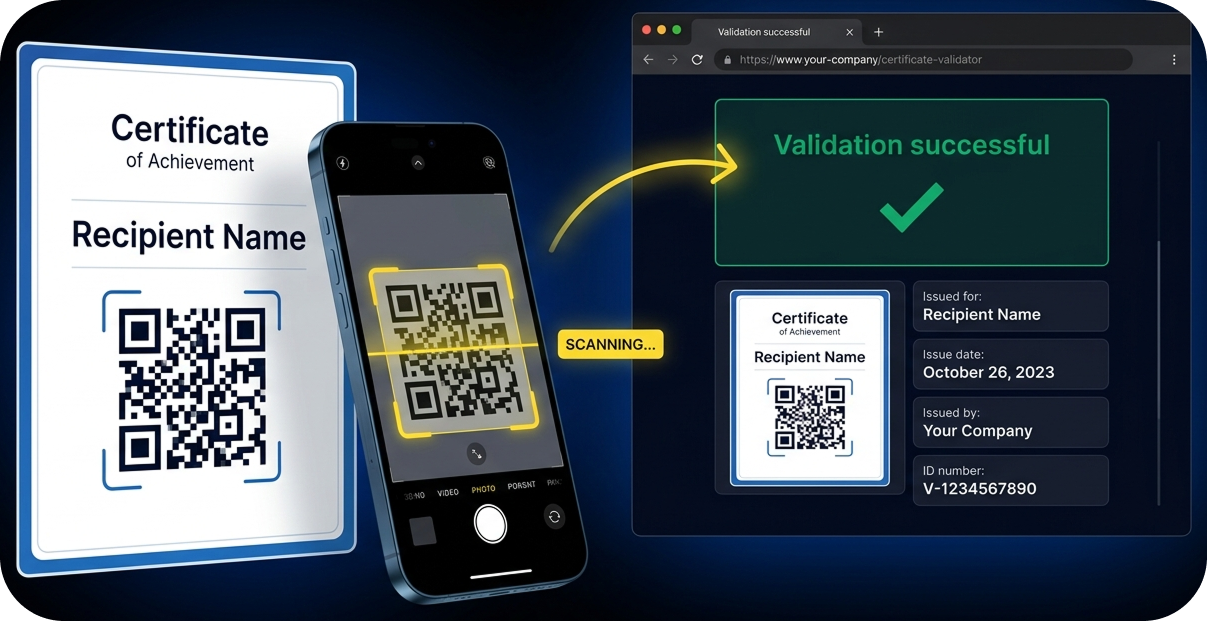
For education providers, the practical difference is clear: credentials issued in a verifiable format are trusted by default. They do not require manual verification calls, paper copies, or notarized translations.
The EUDI Wallet is not live yet in most countries, but the standards it builds on already exist. Organizations that act now will be ready when the wallet arrives, rather than scrambling to retrofit.
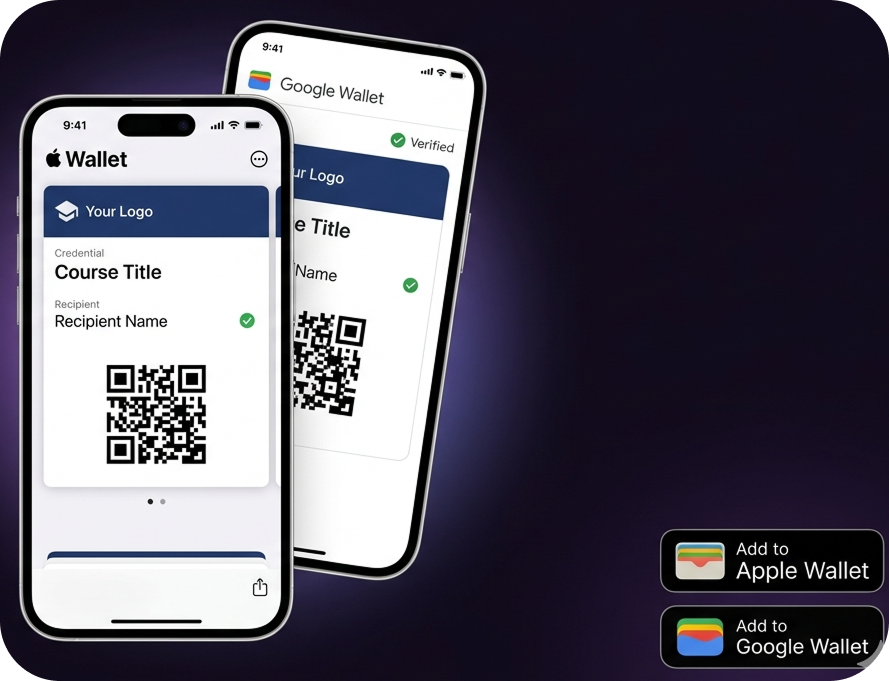
Virtualbadge.io covered the regulatory background in detail in a dedicated article on eIDAS 2.0 and what is coming for organizations in Europe, which provides additional context on the legal framework behind the EUDI Wallet.
The EUDI Wallet timeline is set. Whether your organization issues course certificates, professional badges, or continuing education credits, the shift toward verifiable, wallet-compatible credentials is already underway. Providers who move early will build trust with learners and employers alike, while latecomers risk issuing credentials that feel outdated before they arrive.
Virtualbadge.io helps education providers issue verifiable digital badges and certificates that are shareable, tamper-proof, and built on open standards. Book a free demo to see how your credentialing workflow can be ready for the EUDI Wallet era.
* You can find the organisation ID in the URL when you access your LinkedIn Company page as an admin.


Marketing

Jun 16, 2026

5 min
A note on how we write: we use AI tools to help with research and drafting. Every article is then reviewed, edited and fact-checked by someone on the Virtualbadge.io team before it goes live. The final word is always human.

Use Virtualbadge.io to design and send digital certificates that create trust - in less than 10 minutes.
%20(1).svg)