No user accounts required for your recipients -
Start your 7-day free trial now!

How nonprofits and volunteer programs use digital badges and certificates to acknowledge contributions and motivate long-term engagement


Volunteers give their time freely, which makes meaningful recognition more important, not less. Without financial incentives, volunteer organizations depend on intrinsic motivation and the sense of being seen and valued. Yet many programs still rely on informal thank-yous, paper certificates that disappear into a drawer, or nothing at all.
Digital credentials change that. A verifiable digital badge or certificate gives volunteers something tangible and shareable — proof of their commitment that stays with them beyond the organization. When volunteers can show what they have done and what they have learned, recognition stops being a gesture and becomes something genuinely useful. That shift matters for retention. Volunteers who feel their contributions are meaningfully acknowledged are more likely to return, take on more responsibility, and recommend the program to others.
One of the strengths of a digital credentialing system is its flexibility. Volunteer programs can issue credentials for a wide range of contributions, not just formal training completions. Common use cases include:
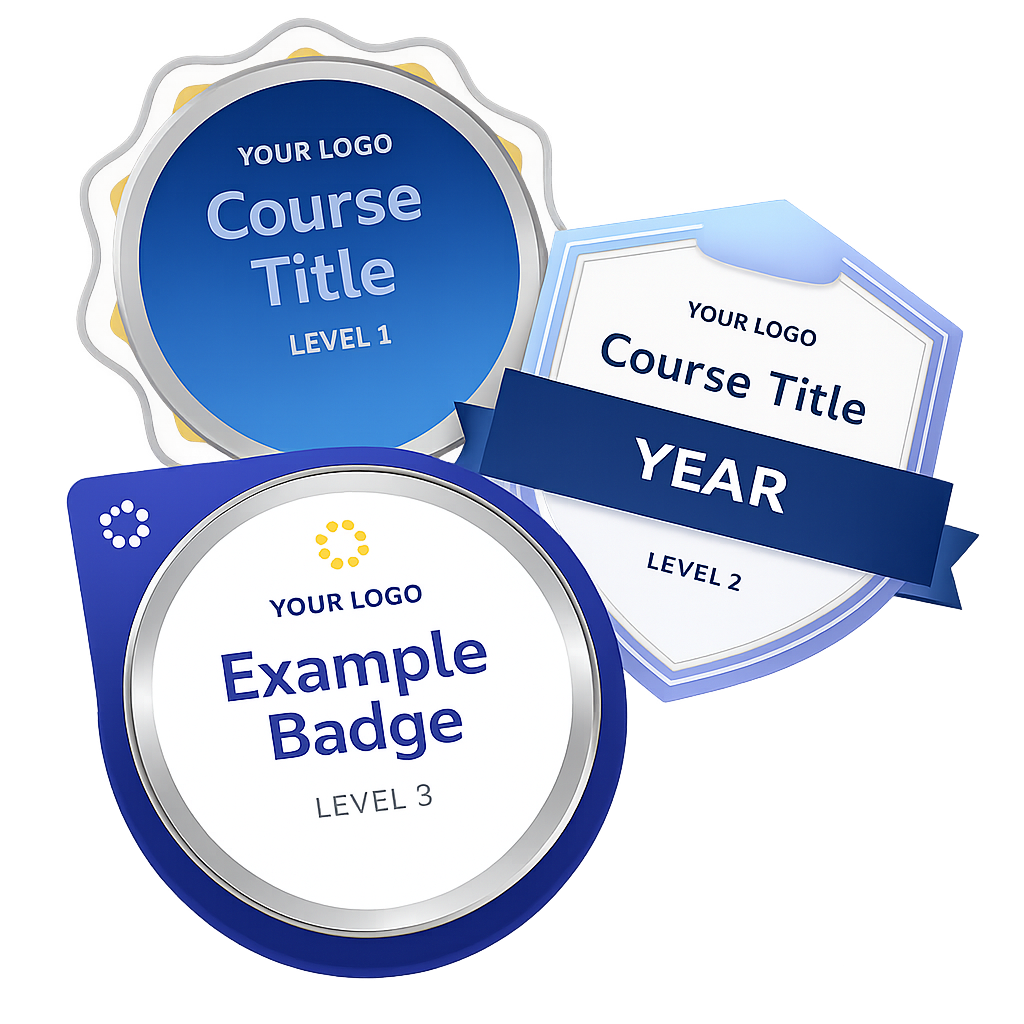
Each credential carries verifiable metadata: the issuing organization, the date, what was required to earn it, and a link to a public verification page. That level of transparency makes the credential meaningful both inside and outside the organization.
Many volunteer organizations assume that setting up a digital credentialing system requires significant technical resources. In practice, the process is straightforward, even for teams without dedicated IT support.
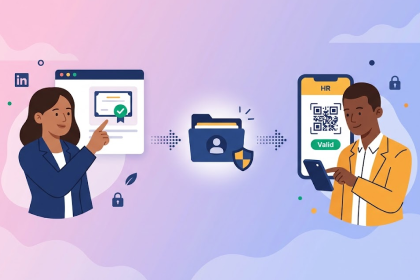
With Virtualbadge.io, organizations can upload a list of recipients via CSV and issue credentials to dozens or hundreds of volunteers in one step. Each recipient receives a personalized email with their badge or certificate. Volunteers can then save their credential to Apple Wallet or Google Wallet, share it directly to LinkedIn, or link to a public verification page that confirms its authenticity.
The verification feature is particularly valuable for skills-based credentials. When a volunteer shares a first aid badge or a leadership certificate, anyone, whether an employer or another nonprofit, can confirm it is genuine and current. That gives the credential real-world weight, which makes earning it more motivating from the start.
A well-designed credential program does more than hand out badges. It creates a progression that gives volunteers something to work toward over time. The most effective programs treat credentials as part of a broader recognition structure rather than a one-off thank-you.
Some practical starting points:
Logistics company 4flow has applied exactly this approach for internal skill recognition, building a structured badge program that makes it easy to identify qualified contributors and reward expertise formally. The results show how a well-designed credential system strengthens engagement well beyond simple appreciation. For a closer look, read their Success Story. The same logic applies directly to volunteer management.
Your volunteers invest real time and energy in your mission. A digital credential program gives you a structured, scalable way to acknowledge that investment, while giving volunteers something genuinely useful to show for their service.
Book a free demo to see how Virtualbadge.io can help your organization get started. No technical expertise required.
* You can find the organisation ID in the URL when you access your LinkedIn Company page as an admin.


Marketing

Apr 21, 2026

4 min
A note on how we write: we use AI tools to help with research and drafting. Every article is then reviewed, edited and fact-checked by someone on the Virtualbadge.io team before it goes live. The final word is always human.

Use Virtualbadge.io to design and send digital certificates that create trust - in less than 10 minutes.
%20(1).svg)